
All Reviews
Buying guides and category breakdowns, each one sourced from real manufacturer datasheets, retailer pricing, and named third-party benchmarks.
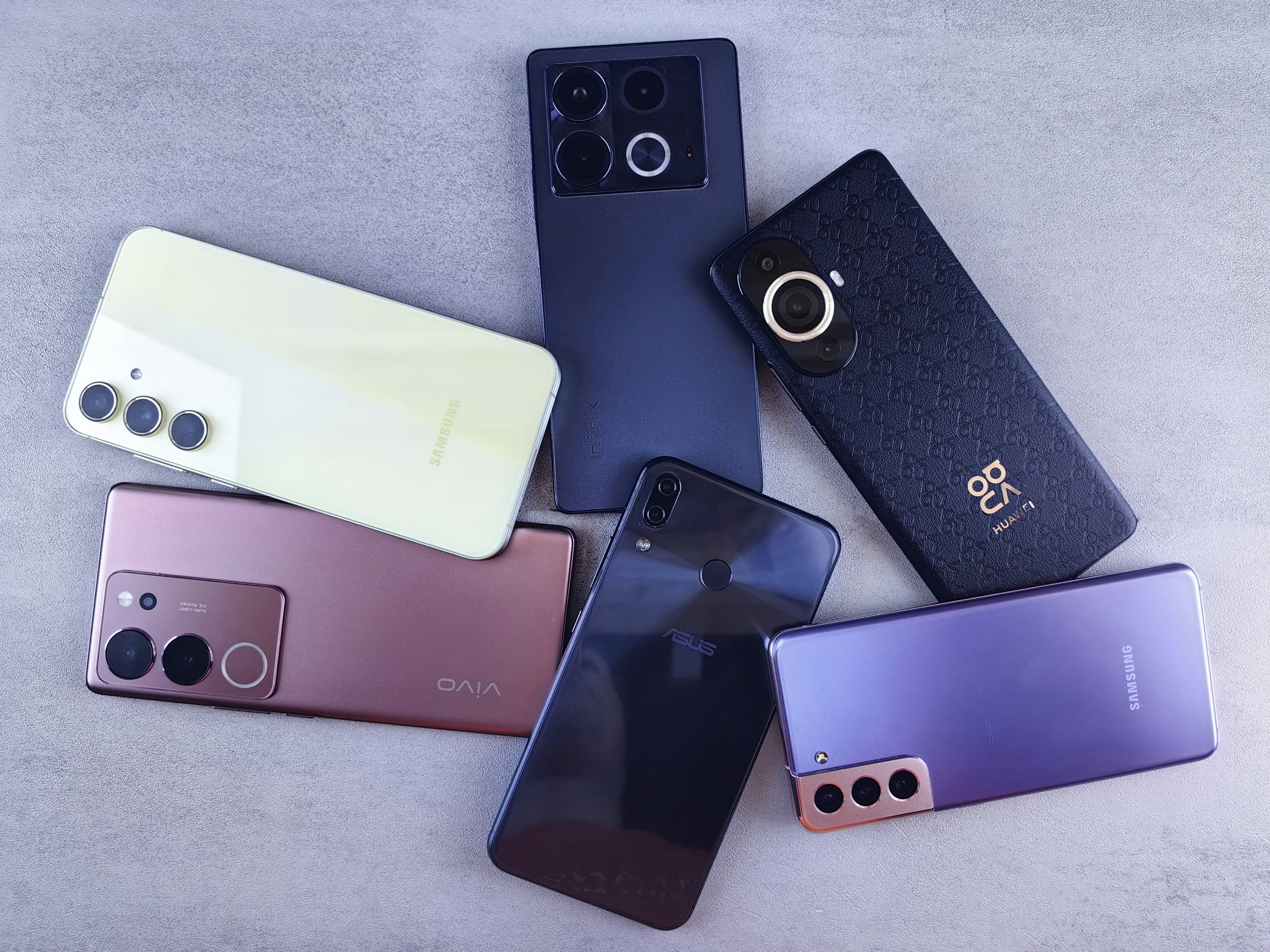
The Best Budget Smartphones Under $200 in 2026
A spec-for-spec, price-for-price breakdown of the sub-$200 Android field — and which corners each model actually cuts.

Power Bank mAh Ratings, Explained: Why You Never Get the Number on the Box
The physics of USB power delivery means advertised capacity and usable capacity are never the same number. Here's the real math.

Robot Vacuums in 2026: What the Spec Sheet Doesn't Tell You
Suction-power ratings (Pa) aren't standardized across brands. A breakdown of what actually predicts real cleaning performance.

True Wireless Earbuds: How Battery-Life Numbers on the Box Are Measured (and Where They Mislead)
Every brand tests battery life differently. A look at the standards, the fine print, and how to compare across brands fairly.

The Best Laptops for Students in 2026
Benchmark scores and battery-life claims compared against real specs and pricing, for machines that actually fit a student budget.

Smartwatches: What Turning On Each Feature Actually Costs in Battery Life
Always-on display, continuous heart rate, GPS mode — each one has a real, measurable battery cost, and it's rarely the one buyers expect.
Budget Phone Cameras vs. Flagships: What the Sensor Specs Actually Explain
A 200MP budget phone camera and a 48MP flagship camera aren't competing on the same axis. Here's the physics the megapixel number hides.

Mesh Wi-Fi Routers: Lab-Rated Speeds vs. What Your Walls Do to Them
An AX6000 or BE18000 rating describes a theoretical ceiling. Your walls, floors, and ISP plan decide the number you actually get.

E-Readers Compared: Screen Tech, Storage, and Ecosystem Lock-In
E-ink battery life is measured in weeks, not hours — but the bigger long-term decision is which file formats and bookstores you're locking yourself into.
Bluetooth Speaker IP Ratings, Explained: What IP67 Actually Promises You
IP67, IPX7, IP68 — each digit is a specific, standardized test, not a marketing scale. Here's what each number actually certifies.
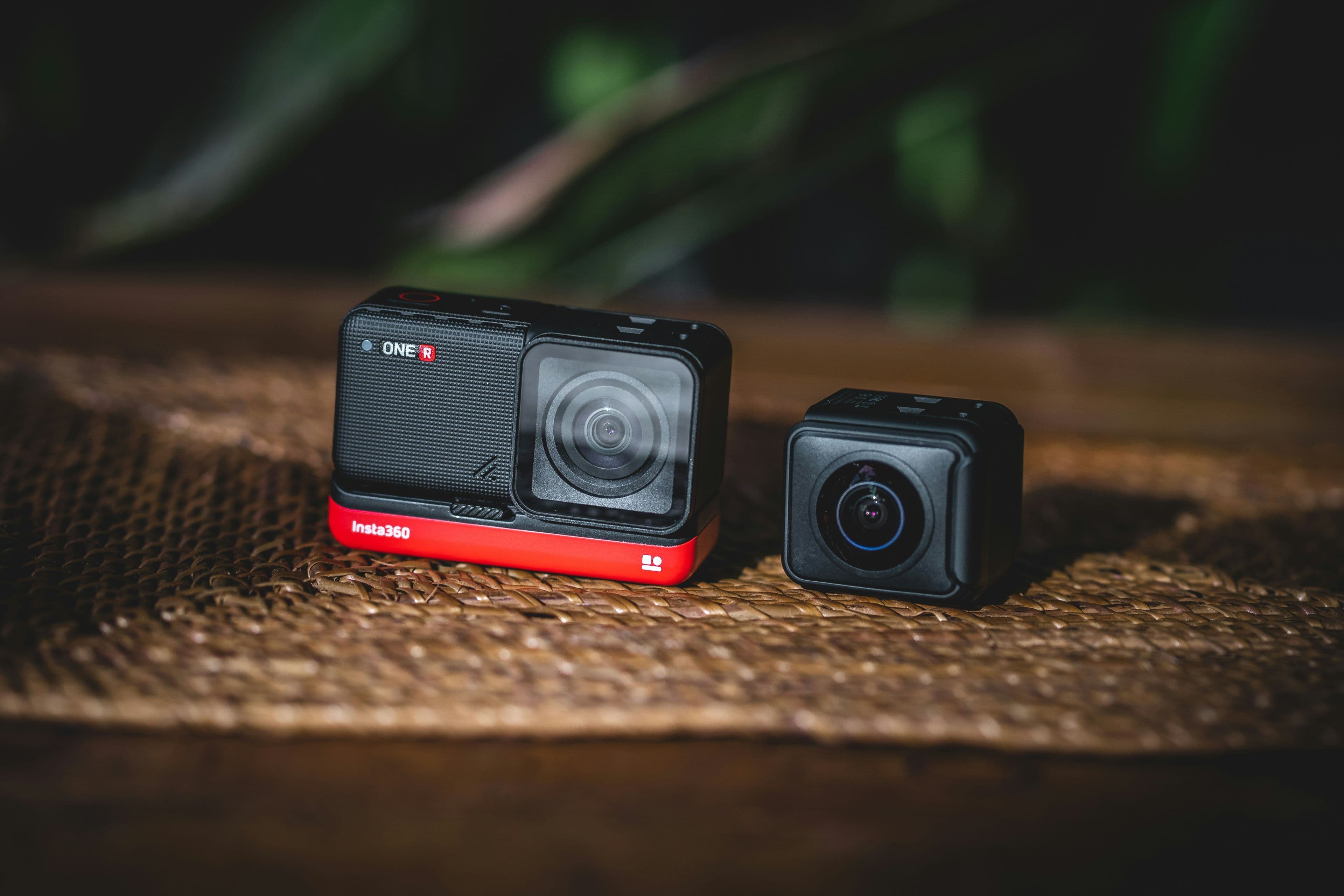
Action Camera Stabilization: Optical vs. Digital, and Why the Spec Sheet Hides the Difference
Almost every action camera uses electronic stabilization, not optical — and that choice comes with a field-of-view trade-off most listings don't mention.

Gaming Monitor Response Times: What the Number on the Box Actually Means
A '1ms' monitor can still show visible ghosting. GtG and MPRT measure two different things, and manufacturers pick whichever number looks best.
Solar Phone Chargers: The Panel-Wattage Math Behind the Marketing Photos
A 30W solar panel rarely delivers 30W to your phone. Standard Test Conditions, cell efficiency, and where the rest of the power actually goes.

Budget Android Tablets vs. the Cheapest iPad: Where the Price Gap Actually Comes From
The entry iPad's sticker price looks competitive with budget Android tablets — until you price out the accessories Apple doesn't include.
Smart Plugs and Energy Monitoring: How the Math Behind the App Actually Works
A peer-reviewed test of five popular smart plug brands found energy-measurement errors ranging from under 2% to over 100%, depending on the load.

Dash Cam Night Footage: Sensor Size and Aperture, Not Megapixels, Explain the Difference
A 4K dash cam can still produce unreadable license plates at night. Resolution and low-light performance are related, but they're not the same spec.
Wireless Chargers: The Qi Standard, Wattage Classes, and Why Heat Slows Them Down
A 25W-rated wireless charger doesn't sustain 25W for long. The coil-to-coil handoff loses energy as heat, and heat is exactly what slows the next watt down.
Budget Noise-Cancelling Headphones: How Close Can Cheap ANC Get to Flagship Silence?
Independent lab testing puts most ANC headphones within a narrower dB range than the price gap between them suggests.
Fitness Tracker Heart-Rate Sensors: Why Wrist-Based PPG Struggles, By Design
Peer-reviewed testing against ECG and chest straps consistently finds wrist heart-rate sensors less accurate during exercise — and the reason is physical, not a software bug.

Portable SSDs: Advertised Speeds vs. the Interface Bottleneck That Caps Them
A 2,000MB/s external SSD can run at 400MB/s on the wrong port. The drive isn't defective — the USB connection is the actual limit.